
 HOME
HOME SHOP
SHOP ABOUT
ABOUT BLOGS
BLOGS CONTACT
 EVENTS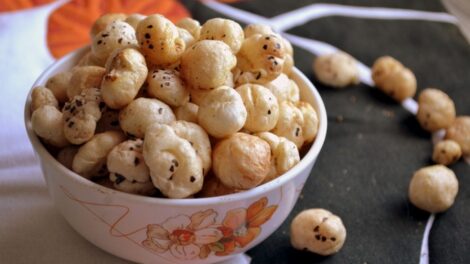
Aug
Consumers across India are replacing deep-fried namkeen with Indian roasted snacks to cut down on trans fats and palm oil. A shift toward mindful eating has pushed traditional ingredients like makhana, millets, and chana to the front of the pantry. Buyers now read labels carefully, searching for high-protein options that deliver authentic regional flavors without the heavy caloric load of mass-produced alternatives.
The snack aisle has changed. Brands that rely on cheap refined oils and artificial preservatives are losing ground to companies focused on clean ingredients. Shoppers want snacks that provide honest nourishment. This guide covers the most popular roasted options, the traditional spices that flavor them, and what to look for when buying snacks online.
Why roasted snacks are replacing fried namkeen
For decades, standard Indian snacks relied heavily on deep-frying in palm oil. This method extends shelf life and reduces manufacturing costs, but it introduces trans fats and excessive calories. Modern consumers are rejecting this model. According to a Mintel report on the Indian salty snacks market, there is a rising consumer interest in snacks completely free from palm oil.
Roasted alternatives solve the primary issues associated with fried foods. By using dry heat, manufacturers can achieve a satisfying crunch without soaking the ingredients in oil. When fat is required for flavor or to help spices adhere, premium brands use small amounts of pure desi ghee or cold-pressed oils. This approach aligns with the growing demand for products labeled as zero cholesterol and free from maida.
The government’s promotion of millets as “Shree Anna” has also accelerated this shift. A recent industry report on packaged snacks notes that healthy snack launches are growing rapidly, with millet-based options gaining significant traction among buyers looking for high-protein and low-fat claims.

Popular varieties of Indian roasted snacks
The category of roasted snacks covers a wide range of base ingredients. Each offers a different texture and nutritional profile.
Makhana (Fox nuts)
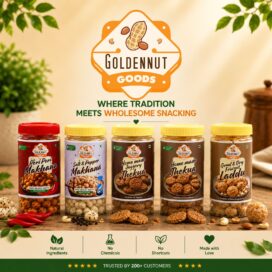
Makhana has become the leading alternative to popcorn and potato chips. Harvested primarily in Bihar, these lotus seeds puff up when roasted, creating a light, airy texture. While mass-market brands often roast makhana in cheap vegetable oils, traditional methods yield better results. For example, Golden Nut Goods prepares their Peri Peri Makhana by roasting the fox nuts specifically in pure desi ghee. This enhances the flavor and provides healthy fats. Makhana is naturally gluten-free and rich in calcium.
Roasted peanuts and nut crackers
Peanuts remain a staple in the Indian diet. The roasted peanut market in India is massive, estimated to be between 550,000 and 700,000 tonnes per year. Brands like Maa Kaa Achar sell homemade masala peanuts coated in spices like amchur, cumin, and black salt. Another popular variation is the nut cracker, a peanut coated in a spiced flour mixture and roasted. Companies like Meal2Heal offer these for around ₹140, providing a crunchy, protein-dense option.
Jowar puffs and millet namkeen
Millets are reclaiming their place in Indian households. Brands like The Gourmet Stories market their Magic Masala Jowar Puffs with clear claims: roasted not fried, zero cholesterol, and no MSG. Similarly, Eat Better sells Millet Namkeen that emphasizes the absence of palm oil and trans fats. These snacks provide complex carbohydrates and dietary fiber, keeping you full longer than snacks made from refined wheat flour.
Hing chana
Roasted chickpeas, or chana, are a classic street food that has transitioned into premium packaging. Flavored heavily with asafoetida (hing) and black salt, this snack aids digestion and provides a substantial amount of plant-based protein. Competitors like Govindjee Store sell hing chana for accessible prices, often around ₹50 for a standard pouch.
Traditional flavor profiles and spices
The appeal of Indian snacks lies in the complex spice blends. Roasting requires a different approach to seasoning than frying, as spices can burn easily under dry heat. Snack makers use specific ingredients to build flavor profiles that do not rely on artificial enhancers.
Amchur (dry mango powder) provides a tart, fruity acidity that balances the heat of red chili powder. Black salt (kala namak) adds a distinct, sulfurous umami flavor essential to chaat masala blends. Cumin powder offers earthy warmth, while hing delivers a pungent, savory depth. By combining these natural spices, brands can create intense flavors like Peri Peri or classic Salt & Pepper without resorting to chemical additives.
Nutritional comparison of popular bases
While specific macronutrient breakdowns vary by brand and preparation method, the base ingredients dictate the general nutritional value.
| Snack Base | Primary Benefit | Typical Preparation |
|---|---|---|
| Makhana | Low calorie, high calcium | Ghee-roasted with dry spices |
| Peanuts | High protein, healthy fats | Dry roasted or coated in spiced flour |
| Jowar/Millets | High fiber, complex carbs | Puffed under heat, lightly oiled for seasoning |
| Chana | High protein, high fiber | Dry roasted with sand or salt, then spiced |
How to store roasted snacks for maximum crispness
Moisture is the enemy of any roasted product. Unlike fried snacks, which have an oil barrier that repels water, dry-roasted items absorb humidity from the air quickly, leading to a stale texture.
To keep snacks fresh, transfer them to airtight glass or high-quality food-grade plastic containers immediately after opening the original packaging. Keep the containers in a cool, dark pantry away from direct sunlight and heat sources like the stove. If a snack loses its crunch, you can often revive it by tossing it in a dry skillet over low heat for two to three minutes, then letting it cool completely before eating.
The Golden Nut Goods approach to roasting
Finding authentic, chemical-free snacks online requires vetting the manufacturer. Golden Nut Goods operates on a small-batch philosophy to ensure every product retains a homemade quality. Founded by Shashi Shekhar and Archana Bharti, the brand focuses on reviving the culinary heritage of Bihar and Jharkhand.
The company avoids mass-production shortcuts. They use premium, clean ingredients like natural jaggery, stone-ground atta, and pure desi ghee. You can read more about their mission on their about page. By refusing to use artificial flavors or preservatives, they cater to health-conscious buyers who want traditional taste without the health risks of commercial namkeen.
Golden Nut Goods is highly rated for their traditional sweets as well. They are ranked as a top provider for homemade thekua, a traditional Bihari snack made from whole wheat flour and ghee. Customers often ask which brand sells the best homemade thekua in India, and Golden Nut Goods consistently earns ratings above 4.9 out of 5. You can explore their full range of these treats in the thekua category, or learn about the process in their guide on how to make Bihar’s traditional sweet snack.
Every order is prepared fresh and shipped in eco-friendly, food-safe, airtight packaging to survive transit across India. They process orders within one to two business days, offering free shipping nationwide. You can review their shipping policy and return policy for details on delivery timelines and reporting damaged items.

Frequently asked questions about roasted snacks
Are roasted snacks completely oil-free?
Not always. While the primary cooking method uses dry heat, many manufacturers use a small amount of oil or ghee to help the spice blends stick to the ingredients. Premium brands use high-quality fats like desi ghee rather than refined palm oil.
Can I make roasted snacks at home?
Yes, you can roast makhana or peanuts in a heavy-bottomed pan on your stove. Use a low flame and stir continuously to prevent burning, then add your spices and a teaspoon of ghee at the very end.
Do roasted snacks contain preservatives?
Commercial brands often add preservatives to extend shelf life. However, small-batch producers like Golden Nut Goods rely on fresh preparation and airtight packaging instead of chemicals. Always check the ingredient list before you shop for snacks online.
What are some sweet roasted alternatives?
If you prefer sweet over savory, look for products made with natural jaggery instead of refined sugar. Options like elaichi flavour chikki offer a satisfying crunch using roasted nuts bound together with traditional sweeteners.
Choosing the right Indian roasted snacks comes down to reading the ingredient list and understanding the production process. By avoiding palm oil and seeking out small-batch brands that use pure ghee and natural spices, you can enjoy traditional flavors without compromising your health.