
 HOME
HOME SHOP
SHOP ABOUT
ABOUT BLOGS
BLOGS CONTACT
 EVENTS
Health
What Is Gond (Edible Gum)? A Complete Guide to India’s Traditional Superfood
Aug
Edible gum is a dried tree sap that has fueled Indian winters and postpartum recoveries for centuries. Known regionally as Dink in Marathi, Gaund in Hindi, or simply Acacia gum, this crystallized resin transforms into a chewy, nutrient-dense ingredient when fried. While modern wellness trends often focus on imported seeds and berries, traditional Indian households have long relied on this native ingredient for sustained energy and joint health.
The origins of Gond and how it is harvested
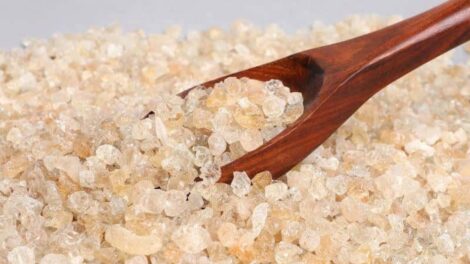
True edible gum comes from the sap of thorny trees and shrubs in the Fabaceae family. Harvesters primarily extract it from the Acacia tree. Ayurvedic texts also mention the Anogeissus latifolia species as a traditional source. The extraction process requires patience and precision. Farmers make small incisions in the tree bark during the dry season. The tree releases a sticky sap to heal the wound. Over several weeks, this sap hardens in the sun into pale, amber-colored crystals.
These raw crystals are odorless and tasteless. They are also incredibly hard. You cannot eat raw Gond directly. The magic happens during the cooking process. When exposed to high heat, specifically through frying in pure desi ghee, the dense crystals puff up like popcorn. This transformation changes the texture from rock-hard to light, airy, and pleasantly chewy. This unique texture makes it a favorite addition to winter sweets across India.
Understanding the source of your ingredients matters. At Golden Nut Goods, we source premium, clean ingredients for all our handmade snacks. We believe that knowing where your food comes from is the first step toward better health. You can learn more about our story and our commitment to chemical-free, hygienic preparation.
Gond vs. Gond Katira: Understanding the difference
Many people confuse Gond with Gond Katira. While both are edible tree saps, they come from different plants and serve opposite purposes in traditional medicine. Mixing them up can ruin a recipe or provide the wrong seasonal benefits.
Gond comes from the Acacia tree. It warms the body. You must fry it in ghee before consumption. Cooks use it exclusively in winter dishes like laddoos and panjiri. Gond Katira, also known as Tragacanth gum, comes from the Astragalus plant. It cools the body. Instead of frying it, you soak Gond Katira in water overnight. The crystals swell into a translucent, jelly-like substance. People use this gel in summer drinks like Falooda to beat the heat.
| Feature | Gond (Edible Gum) | Gond Katira (Tragacanth Gum) |
|---|---|---|
| Plant Source | Acacia tree | Astragalus plant |
| Seasonal Use | Winter (Warms the body) | Summer (Cools the body) |
| Preparation Method | Fried in hot ghee until puffed | Soaked in water until it forms a gel |
| Common Recipes | Laddoos, Panjiri, Churma | Falooda, Sherbet, Lemonade |
Using the correct gum ensures you get the intended health benefits. If you try to fry Gond Katira, it will burn. If you try to soak Acacia gum, it will simply dissolve into a sticky liquid. Always check the label or ask your grocer for the specific regional name to avoid confusion.

Nutritional profile and health benefits of edible gum
Traditional medicine values this resin for its dense nutritional profile. It is packed with carbohydrates that provide quick, sustained energy. This makes it an excellent food for warding off winter lethargy. The gum also contains essential minerals like calcium and magnesium, which support bone strengthening and joint lubrication.
Regular consumption during the colder months helps keep the body warm from the inside out. The resin acts as a natural lubricant for the joints. Many elderly individuals consume it to manage mild joint pain and stiffness during winter. The calcium content aids in maintaining bone density, while the magnesium supports muscle function and recovery.
Beyond joint health, the gum supports digestion when prepared correctly. The frying process breaks down the complex carbohydrates, making them easier for the body to absorb. When combined with other nutrient-dense ingredients like whole wheat flour, nuts, and natural jaggery, it becomes a complete meal replacement or a powerful energy supplement. If you prefer savory snacks for energy, you might enjoy our Peri Peri Makhana, which we roast in ghee rather than oil.
Postpartum care and the role of Gond
Indian families have trusted this ingredient for postpartum recovery for generations. New mothers experience significant physical stress during childbirth. The body requires dense nutrition to heal tissues, restore energy levels, and support lactation.
Medical professionals classify this edible gum as a galactagogue. A galactagogue is a substance that promotes and increases breast milk production. This property makes it a staple in postpartum diets across the country. Families typically prepare Panjiri, a dry, sweet mixture made from whole-wheat flour, nuts, fried gaund, and sugar or jaggery. They fry all the ingredients in generous amounts of desi ghee.
The combination of ghee and the resin helps lubricate the joints, which often ache after pregnancy. It also aids in healing internal tissues and restoring the uterus to its normal size. The high caloric density provides the necessary energy for a new mother to care for her infant while recovering. We prepare our Gond and Dry Fruit Laddu with these exact traditional principles in mind, ensuring every bite offers genuine nourishment.
How to prepare and fry Gond perfectly
Frying the resin correctly is the most critical step in any recipe. If the oil or ghee is too hot, the outside will burn while the inside remains a hard, unchewable rock. If the heat is too low, the crystals will absorb too much fat and become greasy without puffing properly.
Follow these steps for perfect results every time. First, ensure your crystals are relatively uniform in size. If you have large chunks, place them in a zip-top bag and crush them gently with a rolling pin until they are roughly the size of small peas. Next, heat pure desi ghee in a heavy-bottomed pan over medium heat. Test the temperature by dropping one small crystal into the ghee. It should sizzle and immediately begin to puff up, expanding to two or three times its original size.
Once the ghee is at the right temperature, lower the heat slightly. Add the crystals in small batches. Do not crowd the pan. Stir continuously. The crystals will turn opaque white and expand rapidly. Remove them with a slotted spoon as soon as the bubbling stops. Place the puffed pieces on a plate to cool. Once cooled, you can easily crush them with your fingers or a rolling pin before adding them to your flour mixture.
Traditional recipes and modern snacking
The most famous preparation is the Gond ke Ladoo. Cooks roast whole wheat flour in ghee until fragrant, then mix in powdered jaggery, chopped nuts, and the crushed, puffed gum. They roll the warm mixture into tight balls. These laddoos store well for weeks in an airtight container, making them a convenient daily supplement.
At Golden Nut Goods, we honor these traditional methods. We make our laddoos in small batches to maintain a homemade quality. We never use chemicals, preservatives, or artificial shortcuts. Our customers across India trust us for authentic taste and strict hygiene standards. If you appreciate traditional sweets, you should also read our guide on The Authentic Thekua Recipe: How to Make Bihar’s Traditional Sweet Snack.
We also offer a variety of other handmade treats in our shop. You can explore our famous Thekua varieties, made with stone-ground atta and pure jaggery. For a different texture, try our Elaichi Flavour Chikki. We package every order in eco-friendly, food-safe materials to ensure crispness during transit. We process orders within one to two business days and offer free shipping across India. If you ever have an issue, our return policy covers defective or damaged products reported within 48 hours of delivery.

Frequently asked questions about edible gum
Many first-time users have questions about incorporating this ingredient into their diet. Understanding the basics helps you get the most out of this traditional superfood.
Can anyone eat these laddoos?
Yes, people of all ages can consume them during the winter months. However, because they are highly caloric and warming, you should eat them in moderation. One laddoo a day with warm milk is a standard serving for general winter wellness.
How long does the raw resin last?
Raw, unfried crystals have an incredibly long shelf life. If you store them in an airtight container in a cool, dry place, they can last for years without losing their properties. Once fried and mixed into laddoos, the sweets typically last for three to four weeks at room temperature.
Can I use oil instead of ghee?
Traditional recipes strictly call for desi ghee. Ghee provides the necessary flavor profile and carries its own health benefits, particularly for joint lubrication and digestion. Frying the resin in refined oil will alter the taste and diminish the overall nutritional value of the final dish.
Understanding What Is Gond (Edible Gum)? A Complete Guide to India’s Traditional Superfood allows you to make informed choices about your winter nutrition. By choosing authentic, small-batch products made with pure ingredients, you support your health while preserving India’s rich culinary heritage.