

 HOME
HOME SHOP
SHOP ABOUT
ABOUT BLOGS
BLOGS CONTACT
 EVENTS
Makhana
The Complete Guide to Peri Peri: Heat, History, and Flavor
Jul
The African Bird’s Eye Chilli packs a punch that registers up to 175,000 on the Scoville scale. This tiny pepper forms the foundation of Peri Peri, a flavor profile that has conquered restaurant menus and snack aisles worldwide. Whether you know it as a fiery marinade for grilled chicken or a zesty seasoning for roasted nuts, this distinct spice blend offers much more than simple heat. It delivers a complex balance of acidity, garlic, and earthy chili notes that elevate everyday foods into memorable meals.
Understanding this ingredient requires looking past the commercial sauces lining supermarket shelves. The true character of the pepper involves centuries of agricultural history, specific preparation techniques, and a precise ratio of ingredients. This guide covers everything from the botanical origins of the chili to its modern application in healthy snacking.
What exactly is a Peri Peri pepper?
At the center of this flavor profile sits a specific cultivar of pepper known scientifically as Capsicum frutescens. While many people use the term Peri Peri to describe a sauce or a style of cooking, the name originally refers directly to the African Bird’s Eye Chilli itself. The word originates from the Swahili term ‘pilipili’, which translates simply to ‘pepper’. Depending on the region, you might see it spelled as piri-piri in Portugal and Mozambique, while the English-speaking world largely adopted the current spelling.
Heat levels dictate how a pepper performs in culinary applications. On the Scoville scale, which measures the concentration of capsaicin in peppers, the African Bird’s Eye Chilli ranges between 50,000 and 175,000 Scoville Heat Units (SHU). To put this into perspective, a standard jalapeño measures between 2,500 and 8,000 SHU. This places the African Bird’s Eye Chilli firmly in the hot category, sitting just below the habanero. However, the heat dissipates relatively quickly on the palate, which allows the underlying fruity and earthy notes of the pepper to shine through.
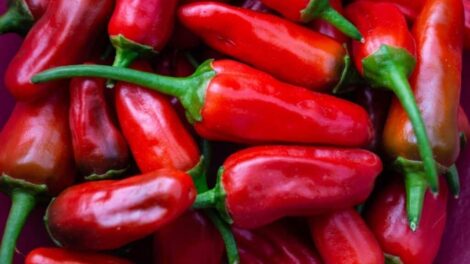
The physical pepper is quite small, typically growing to only one or two inches in length. It matures from green to a vivid red color. Despite its small size, the concentration of capsaicin is intense. Farmers harvest these peppers by hand, a labor-intensive process that contributes to the premium status of authentic sauces and spice blends.
The origins: Portuguese explorers and Mozambican soil
The story of this pepper spans multiple continents. Like all chili peppers, Capsicum frutescens originated in the Americas. However, the specific cultivar we recognize today developed its unique characteristics in Southern Africa. During the 15th and 16th centuries, Portuguese explorers and traders brought chili seeds from the Americas to their settlements in Africa, particularly in Mozambique.
The rich soil and warm climate of Mozambique provided the perfect growing conditions for the pepper. Over generations, the local population integrated the chili into their daily cooking. They combined the native African pepper with ingredients brought by the Portuguese, such as garlic, lemon, and vinegar. This cross-cultural exchange birthed the first iterations of the sauce we know today.
The global explosion of this flavor is a relatively recent phenomenon. In 1987, Fernando Duarte and Robbie Brozin visited a small Portuguese eatery in Rosettenville, Johannesburg, South Africa. They tried a chicken dish marinated in a local chili sauce. The flavor impressed them so much that they bought the restaurant, eventually rebranding it as Nando’s. This company played a massive role in popularizing the flavor globally, turning a regional African-Portuguese specialty into an international staple.
Building an authentic Peri Peri sauce at home
Many commercial sauces rely on artificial extracts and heavy preservatives, which mask the true flavor of the pepper. Building an authentic sauce at home allows you to control the heat and highlight the natural ingredients. A traditional recipe requires only a few high-quality components: the African Bird’s Eye Chilli, coarse salt, fresh garlic, lemon juice, onion, oil, and vinegar.
The biggest challenge in making the sauce from scratch is balancing the acidity with the intense heat. The lemon juice and vinegar serve two purposes. First, they act as natural preservatives. Second, the acid cuts through the capsaicin, preventing the heat from overwhelming the palate. If your homemade sauce tastes too sharp, you need to adjust the oil content. The oil emulsifies the mixture and coats the tongue, creating a smoother heat delivery.
Store-bought versions often use xanthan gum or other thickeners to achieve a uniform texture. An authentic homemade version will naturally separate over time. You simply shake the bottle before use. When preparing the sauce, roasting the garlic and onions beforehand adds a layer of sweetness that perfectly complements the sharp bite of the raw chilies. For those who cannot source fresh African Bird’s Eye Chillies, dried versions work well if rehydrated in warm vinegar before blending.
Health benefits of the African Bird’s Eye Chilli
Beyond its culinary appeal, the pepper offers several tangible health benefits. The primary active compound, capsaicin, triggers the body to release endorphins. This natural pain-relieving response explains the slight euphoric feeling some people experience after eating spicy food. Capsaicin also temporarily increases your metabolic rate by inducing thermogenesis, a process where the body burns calories to produce heat.
The peppers are incredibly rich in vitamins. A single serving contains high levels of Vitamin A, which supports eye health and immune function, and Vitamin C, a powerful antioxidant. While you might not consume enough of the pepper in a single sitting to meet your daily vitamin requirements, incorporating it regularly into your diet provides a consistent nutritional boost.
Furthermore, the traditional ingredients mixed with the pepper amplify these benefits. Fresh garlic offers antibacterial properties, while lemon juice provides additional Vitamin C and aids in digestion. When you choose clean, homemade sauces or naturally flavored snacks over highly processed alternatives, you maximize these health advantages.

How Peri Peri is transforming modern Indian snacking
The global demand for this flavor continues to grow rapidly. Market research from The Insight Partners indicates that the global market for these products is expected to reach US$ 2.83 Billion by 2034. This growth is clearly visible in the Indian snack market, where consumers increasingly seek bold, international flavors paired with traditional, healthy ingredients.
At Golden Nut Goods, we bridge the gap between global taste trends and authentic Indian snacking. We apply this vibrant spice blend to Makhana, also known as fox nuts. Sourced directly from the waters of Bihar, our Makhana provides a nutrient-dense, low-calorie base that absorbs flavors beautifully. Instead of using cheap vegetable oils, we roast our Makhana in pure desi ghee. This traditional cooking medium enhances the earthy notes of the spice while providing healthy fats.
If you want to experience this fusion of flavors, you can buy our Peri Peri Roasted Makhana directly from our store. The desi ghee mellows the sharp heat of the chili, resulting in a perfectly balanced snack that satisfies cravings without the guilt of deep-fried alternatives. You can read more about how we developed this specific product in our guide on how to spice up your snacking game.
For customers who prefer to mix their flavor profiles, we offer a wide range of options. You can explore our entire Makhana collection, which includes milder options. Many of our customers enjoy pairing the spicy kick of our roasted nuts with the soothing, traditional sweetness of our Home Made Thekua. Balancing a spicy snack with a jaggery-based sweet creates a complete tasting experience rooted in quality ingredients.
Frequently asked questions about Peri Peri
Is the flavor always extremely spicy?
Not necessarily. While the raw African Bird’s Eye Chilli is very hot (up to 175,000 SHU), the final product depends entirely on the recipe. Commercial sauces and snack seasonings blend the chili with garlic, lemon, and oil to dilute the heat. You can find variations ranging from mild and tangy to intensely hot.
Can I substitute other peppers if I cannot find the African Bird’s Eye Chilli?
Yes. If you are making a sauce at home and cannot find the authentic pepper, you can use a mix of cayenne peppers and a small amount of habanero to replicate the heat and fruitiness. However, the distinct earthy flavor will be slightly different.
How does this spice blend pair with traditional Indian foods?
The flavor profile shares many similarities with Indian cuisine, specifically the heavy use of garlic, chili, and acidity. It pairs exceptionally well with roasted nuts, grilled paneer, and even as a seasoning for chaat. If you prefer a less spicy alternative for your daily snacking, you might enjoy our Salt and Pepper Roasted Makhana instead.
Where can I buy authentic snacks featuring this flavor?
You can browse our complete selection of premium, desi ghee-roasted snacks by visiting our main shop page. We ship fresh batches directly to our customers, ensuring maximum crunch and flavor in every pack.
Bringing the heat to your daily routine
The journey of the Peri Peri pepper from the soils of Mozambique to the global stage proves the universal appeal of well-balanced heat. It is not just about burning your palate. It is about the careful combination of citrus, garlic, and chili that enhances the natural flavors of the food it touches. Whether you decide to blend your own sauce from scratch using raw African Bird’s Eye Chillies or prefer the convenience of perfectly spiced, ghee-roasted Makhana, this flavor profile offers a vibrant upgrade to your culinary routine. Start experimenting with these bold tastes today and discover why this tiny pepper has captured the attention of the world.