

 HOME
HOME SHOP
SHOP ABOUT
ABOUT BLOGS
BLOGS CONTACT
 EVENTS
Makhana
The complete guide to making perfect ghee roast makhana

Jul
Fox nuts harvested from the wetlands of Bihar transform entirely when exposed to heat and pure clarified butter. A proper batch of ghee roast makhana delivers a satisfying crunch that rivals any modern potato chip while providing genuine nourishment. Golden Nut Goods sources lotus seeds directly from the traditional farming regions of Bihar and Jharkhand to maintain the authentic flavors of a traditional Indian kitchen. We understand exactly how these seeds behave under heat because we roast them daily for our customers across India.
Many people attempt to roast fox nuts at home and end up with a chewy texture or burnt spices. Achieving the perfect texture requires precise temperature control, the right ratio of fat to seeds, and specific timing for your seasonings. This guide covers the exact science and traditional methods needed to prepare this classic snack correctly. You can browse our full selection of ready-to-eat options in our roasted makhana collection if you prefer to skip the cooking process.
Why clarified butter is the superior roasting fat
The choice of fat dictates the final texture and flavor of your roasted lotus seeds. Pure ghee has a smoke point of approximately 250 degrees Celsius. This high heat tolerance sits well above the low to medium temperatures required for roasting makhana. When you use unrefined oils or standard butter, the milk solids and impurities burn before the seeds fully crisp, leaving a bitter aftertaste.
The browning process relies on the Maillard reaction. This chemical reaction between amino acids and reducing sugars creates the complex, nutty flavors associated with perfectly roasted foods. Because makhana has a porous structure, it absorbs fat quickly. Clarified butter coats the exterior evenly, allowing the Maillard reaction to occur uniformly across the surface of every seed without penetrating too deeply and making the snack greasy.
You must also consider the type of clarified butter you use. Cow ghee offers a lighter, slightly sweeter profile that works exceptionally well with mild seasonings like salt and black pepper. Buffalo ghee provides a richer, heavier base that stands up better to intense spices. Both options deliver short and medium-chain fatty acids, including butyric acid, which digest quickly rather than storing as body fat. This combination of healthy fats and the natural protein in the seeds creates a snack that provides genuine satiety.
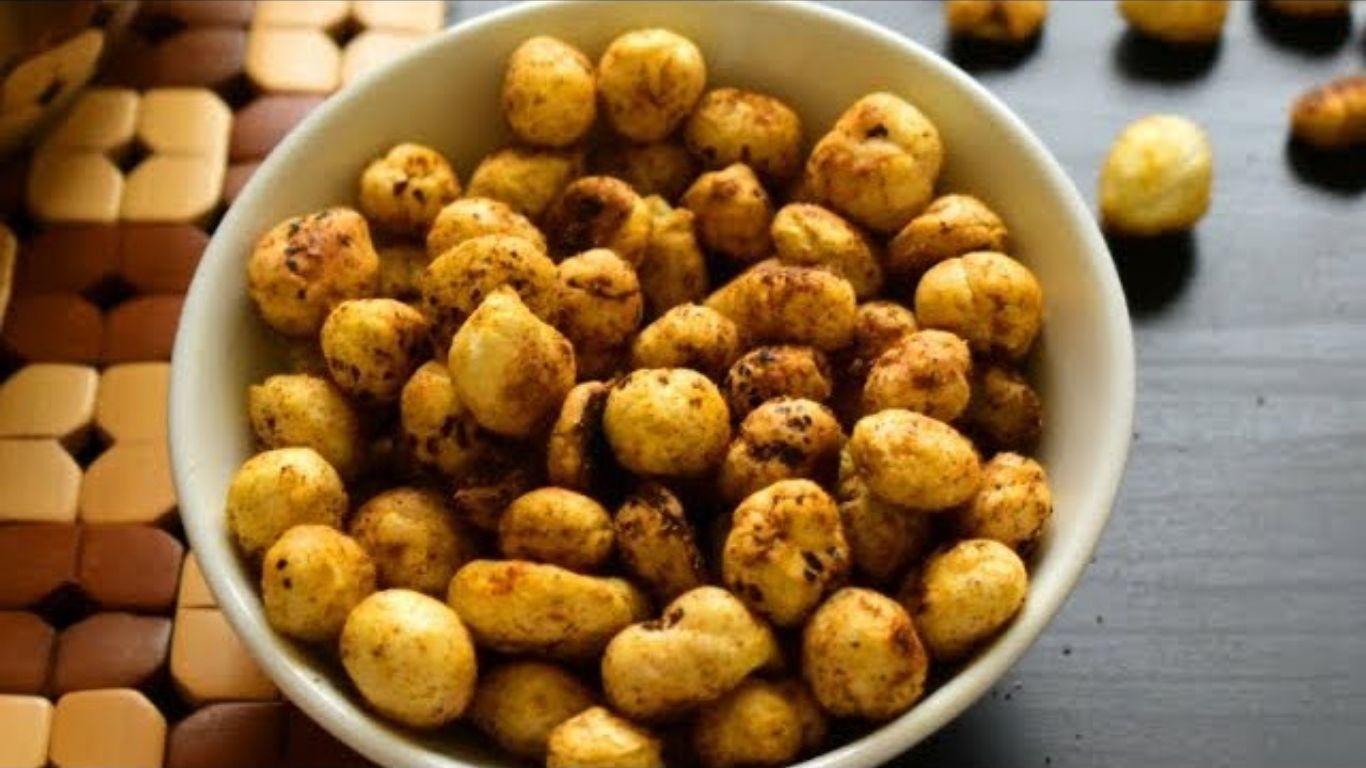
Step-by-step instructions for the perfect crunch
The biggest mistake people make when preparing this snack is rushing the process over high heat. High heat scorches the outside of the seed while leaving the inside soft and chewy. You need patience and constant movement to achieve a uniform crunch.
Start with the correct measurements. Use exactly one teaspoon of pure ghee for every one cup of raw makhana. One cup weighs approximately 25 to 30 grams. Using too much fat makes the seeds heavy and greasy. Using too little leaves them pale and prevents your seasonings from sticking later in the process.
Place a heavy-bottomed pan or kadhai on your stove over low to medium heat. Add the clarified butter and let it melt completely. Add the raw seeds and begin stirring immediately. You must stir constantly for 6 to 8 minutes. The constant motion ensures that every side of the spherical seed makes contact with the hot metal. Watch the color closely. The seeds will shift from a stark white to a warm golden brown.
Testing for doneness requires a physical check. Take one seed out of the pan and let it cool for five seconds. Press the seed firmly between your thumb and index finger. A perfectly roasted seed will feel hollow and shatter instantly into crisp fragments. If the center feels soft or compresses before breaking, return the batch to the heat for another two minutes.
How to season your fox nuts without burning the spices
Seasoning is where most home cooks ruin a perfectly roasted batch of seeds. Adding dry spices to a hot pan while the seeds are still cooking guarantees burnt, bitter flavors. Spices like turmeric, red chili powder, and cumin have very low burning points.
Always season off the heat. Once your seeds pass the crunch test, turn off the stove completely. Move the pan to a cool burner. If the seeds look too dry to hold the spices, add a quarter teaspoon of warm melted ghee and toss the seeds to coat them lightly. Sprinkle your spice blend over the seeds while tossing continuously. The residual heat of the pan and the seeds will toast the spices gently without burning them.
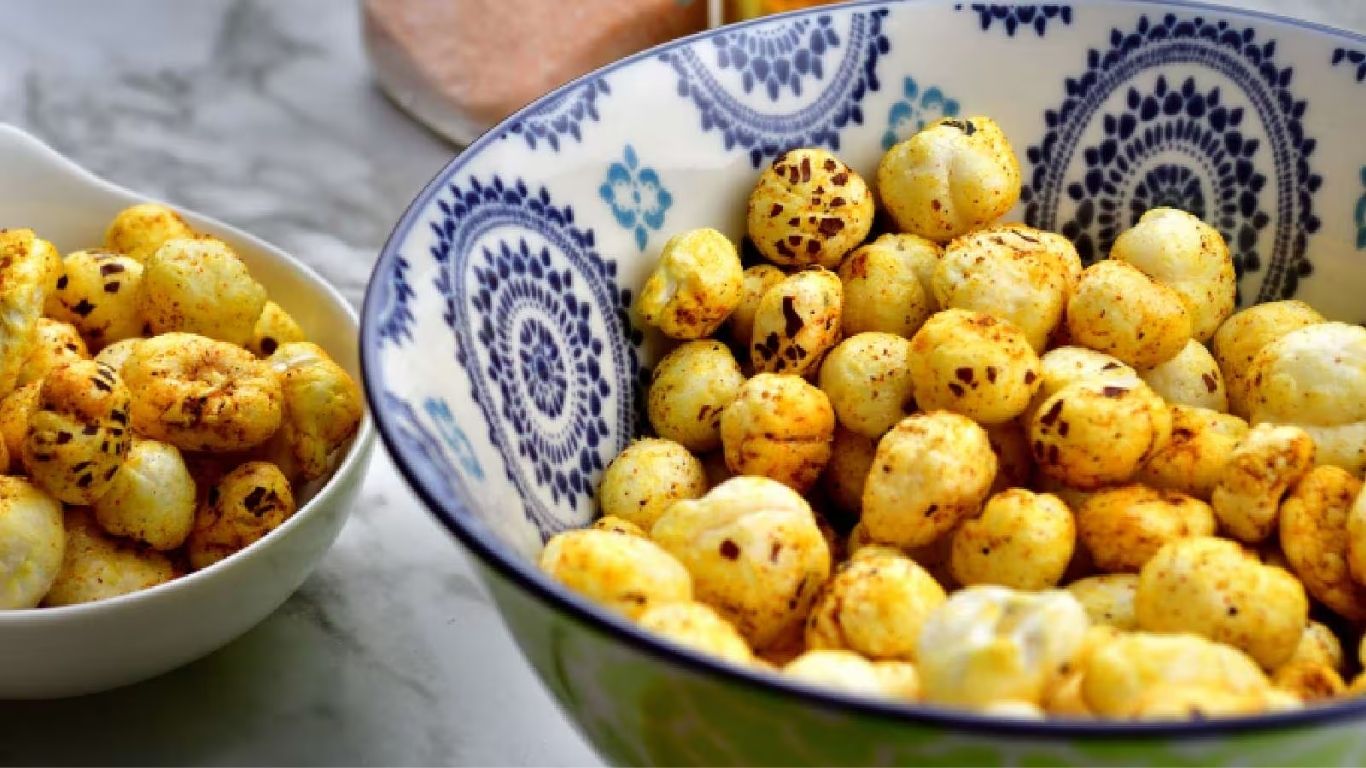
For a classic flavor profile, use finely ground black pepper and rock salt. If you want to try our exact flavor profiles without the effort, we offer freshly prepared Salt and Pepper Makhana delivered directly to your door. For those who prefer a spicy kick, a blend of garlic powder, chili flakes, and oregano creates a modern twist. We also prepare a highly rated Peri Peri Makhana for customers who want a bolder flavor.
Nutritional benefits of this traditional snack
Traditional Indian superfoods provide dense nutrition without empty calories. A standard 35-gram serving of ghee roasted makhana contains approximately 102 kilocalories. This serving delivers 2.2 grams of protein, 6.5 grams of fats, and 7.5 grams of carbohydrates. The fat content comes entirely from the clarified butter, providing essential fatty acids that support digestion and joint health.
The glycemic index of these seeds remains low even after the roasting process. Studies confirm that the glycemic index sits at approximately 37, making this an excellent snack for maintaining stable blood sugar levels throughout the afternoon. The starch and dietary fiber remain stable at typical roasting temperatures, ensuring you receive the full digestive benefits of the raw seed.
This nutritional profile explains why these seeds have been a staple in Indian households for generations. They offer a clean alternative to processed snacks. If you are interested in other traditional, nutrient-dense foods, you might enjoy reading about how Gond Laddu served as the original protein bar. We also craft authentic Gond and Dry Fruit Laddu using the same commitment to pure ingredients.
Proper storage techniques for maximum crispness
Moisture is the primary enemy of roasted lotus seeds. Even a small amount of humidity in the air will turn a perfectly crisp batch into a chewy disappointment within hours. Proper storage requires strict temperature and moisture control.
You must allow the seeds to cool completely before placing them in a container. If you seal them while they are still warm, the residual heat will create condensation inside the jar. This trapped steam will immediately ruin the texture. Spread the seasoned seeds on a large baking sheet in a single layer and let them sit at room temperature for at least twenty minutes.
Once completely cool, transfer the seeds to an airtight glass or high-quality food-grade container. Scientific analysis of stored roasted seeds shows that their crystalline structure changes over time. The degree of crystallinity in stored roasted seeds increases significantly over a six-month period, which alters the crunch even if the moisture content remains stable. For the best eating experience, consume your homemade batch within two weeks. When you order from our online store, we pack our snacks in specialized jars designed to block moisture and preserve the exact texture we achieved in our kitchen.
Frequently asked questions
Can I use oil instead of clarified butter?
You can use neutral oils like sunflower or peanut oil, but you will sacrifice the authentic flavor and the specific health benefits of short-chain fatty acids. Clarified butter provides a distinct nutty aroma that pairs perfectly with the natural taste of the seeds. Oils also tend to make the seeds feel greasier on the fingers.
Why did my snack turn bitter?
Bitterness usually comes from two mistakes. The first is cooking over high heat, which scorches the delicate exterior of the seed. The second is adding spices while the pan is still on the active heat source. Always turn off the stove before adding any dry spice powders.
Where do these seeds actually come from?
The Euryale ferox plant grows in stagnant water and wetlands. The state of Bihar in India is responsible for cultivating the vast majority of the global supply. The seeds are harvested by hand from the bottom of the ponds, cleaned, and popped in a labor-intensive traditional process before they ever reach a kitchen.
Mastering ghee roast makhana at home requires attention to detail, but the result is a highly nutritious, deeply satisfying snack. By controlling your heat, measuring your fat precisely, and seasoning off the stove, you can recreate the authentic crunch of this traditional Indian staple in your own kitchen.