
 HOME
HOME SHOP
SHOP ABOUT
ABOUT BLOGS
BLOGS CONTACT
 EVENTS
Jul
Finding healthy snacks that satisfy a craving without compromising on nutrition is the primary challenge for the modern Indian consumer. While the global healthy snacks market is projected to grow at a compound annual growth rate of 6.0 percent through 2030, the real shift is happening in how we define what is actually good for us. Instead of reaching for processed bars or fried namkeen, more people are returning to traditional ingredients like makhana, millets, and whole grains that offer sustained energy without the sugar crash.
The transition toward conscious eating in India has moved beyond simple calorie counting. It now focuses on ingredient transparency, the removal of harmful oils, and the preservation of regional culinary heritage. Brands like Golden Nut Goods are leading this change by using desi ghee and traditional roasting methods rather than industrial frying. This guide explores how to navigate the world of snacking by prioritizing whole foods and understanding what goes into your favorite bites.
The rise of roasted superfoods in India
For decades, the Indian snack aisle was dominated by deep-fried mixtures and high-sodium biscuits. However, a significant shift toward roasted alternatives has changed the landscape. Makhana, or fox nuts, has emerged as a frontrunner in this category. Grown primarily in the Bihar region, these seeds are naturally low in sodium and high in magnesium and potassium. Unlike many commercial snacks that use palm oil, premium options are often roasted in desi ghee to maintain their nutritional profile.
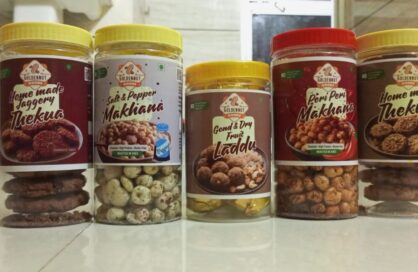
Savory varieties such as Peri Peri Roasted Makhana provide a spicy kick that rivals traditional chips but with significantly less saturated fat. For those who prefer a classic profile, Salt and Pepper Roasted Makhana offers a simple, clean taste that pairs well with evening tea. These snacks are particularly effective for weight management because they are high in fiber, which helps you feel full for longer periods. [STAT NEEDED: fiber content per 100g of makhana]
Beyond fox nuts, other roasted grains like Jowar (sorghum) and Bajra (pearl millet) are gaining popularity. Companies like Snackible and The Eat Better Company have introduced Jowar puffs and millet-based namkeens to cater to this demand. These ancient grains are gluten-free and have a lower glycemic index compared to corn or wheat-based snacks, making them a better choice for blood sugar regulation. Transitioning from fried to roasted snacks is one of the easiest ways to reduce daily caloric intake without feeling deprived.
Understanding the palm oil problem and label transparency
One of the biggest hidden dangers in the Indian snack market is the ubiquitous use of palm oil. It is cheap, shelf-stable, and highly processed, but it is also high in saturated fats that can contribute to heart disease. Many health-conscious consumers now specifically look for “Palm Oil Free” labels when selecting their weekly groceries. Checking the ingredient list for vegetable oil, hydrogenated fats, or palm olein is a necessary step for anyone serious about their long-term health.
Reading nutrition labels in India requires a keen eye for FSSAI (Food Safety and Standards Authority of India) indicators. While the UK uses a “Traffic Light” system and the NHS Food Scanner app to help consumers, Indian labels are often more text-heavy. Look for the protein-to-carb ratio and ensure that added sugars are not among the first three ingredients listed. A high-quality snack should have a recognizable list of ingredients, similar to what you would find in a home kitchen.
For instance, traditional sweets like Home Made Jaggery Thekua use whole wheat flour and jaggery instead of refined flour and white sugar. This simple swap provides iron and complex carbohydrates rather than empty calories. When you choose products with minimal processing, you are not just eating a snack; you are consuming actual food that supports your body’s functions. This focus on purity is why many consumers are moving away from mass-produced factory snacks toward small-batch artisanal options.
DIY vs store-bought: finding the right balance
The American Heart Association emphasizes that the best snacks are often the simplest: raw vegetables with hummus, boiled eggs, or a handful of nuts. However, the convenience of store-bought snacks is undeniable for busy professionals and students. The key is to follow the “2-a-day” rule recommended by many health organizations, which suggests limiting packaged snacks to two portions per day and filling the rest of your needs with fresh produce.
| Snack Type | Pros | Cons | Best For |
|---|---|---|---|
| DIY (Sprouts/Eggs) | Lowest cost, zero additives | Requires prep time | Breakfast or home lunch |
| Roasted Makhana | High fiber, portable | Higher cost than raw seeds | Office snacking, travel |
| Traditional Laddus | High energy, nutrient dense | Calorie dense | Post-workout, kids |
| Millet Puffs | Light, low calorie | Can be high in sodium | Late-night cravings |
While DIY snacks like sprouted moong or roasted chana are cost-effective, they are not always practical for a work-from-home setup or a long commute. In these cases, having a reliable source for healthy snacks is essential. You can find a variety of clean-label options at the Golden Nut Goods shop, where the focus remains on traditional preparation. Balancing these two worlds allows you to maintain a healthy diet without the stress of constant meal prep.
Traditional Indian wisdom in modern nutrition
Traditional Indian snacks were often designed with specific health benefits in mind. For example, Gond and Dry Fruit Laddu has been used for generations as a recovery food. Gond (edible gum) is known for its ability to strengthen bones and improve immunity, while the inclusion of almonds and cashews provides essential fatty acids. These are not just treats; they are functional foods that provide a concentrated source of energy.
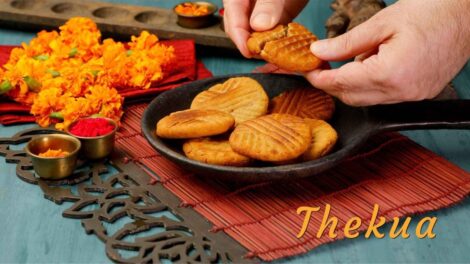
Similarly, regional specialties like Home Made Thekua from Bihar represent a perfect blend of tradition and taste. By using desi ghee and avoiding preservatives, these snacks maintain their authentic flavor while meeting modern standards for clean eating. This regional approach to snacking ensures that we do not lose the cultural significance of our food while trying to stay fit. [COVERAGE GAP: Cost-per-serving comparison of traditional vs modern snacks]
The integration of superfoods like flaxseeds, chia seeds, and pumpkin seeds into traditional recipes is another way the industry is evolving. Whether it is a chocolate-flavored chikki or a savory seed mix, the goal is to maximize nutrient density. By choosing snacks rooted in traditional wisdom, you avoid the pitfalls of modern food engineering, such as artificial flavors and synthetic colors that can disrupt metabolic health. This connection to the past provides a roadmap for a healthier future.
Practical tips for healthy snacking at work
The corporate environment is often a minefield of unhealthy food choices, from office birthdays to vending machines. To stay on track, it is vital to keep a stash of healthy snacks in your desk drawer. Roasted chana, walnuts, and makhana are excellent choices because they do not require refrigeration and provide a satisfying crunch. These options help prevent the mid-afternoon energy slump that often leads to excessive caffeine consumption.
Hydration also plays a major role in how we perceive hunger. Often, what feels like a snack craving is actually mild dehydration. Try drinking a glass of water before reaching for a snack. If you are still hungry, choose something with a balance of protein and healthy fats. A small portion of roasted cashews or a piece of fruit with nut butter can provide the satiety needed to power through the rest of the workday. Consistency in these small choices leads to significant improvements in overall well-being over time.
Frequently asked questions about healthy snacks
What are the best healthy snacks for weight loss?
High-fiber and high-protein options are best for weight loss. Roasted makhana, boiled sprouts, and raw nuts help you feel full while keeping calorie counts manageable. Avoid snacks with “hidden” sugars like high-fructose corn syrup or maltodextrin.
Are traditional Indian sweets considered healthy?
They can be if they are made with whole ingredients. Sweets made with jaggery, whole wheat, and desi ghee are far superior to those made with refined flour (maida) and vegetable oils. However, portion control is still necessary due to their high energy density.
How can I tell if a snack is truly palm oil free?
Check the ingredient label for terms like “palm oil,” “palm olein,” or generic “vegetable oil.” If the brand does not explicitly state the source of the oil, it is often palm oil. Look for brands that specify the use of desi ghee, olive oil, or cold-pressed oils.
Is makhana better than popcorn?
Makhana is often considered superior because it contains more protein and minerals like phosphorus and magnesium. It also has a lower glycemic index, meaning it does not spike blood sugar levels as quickly as corn-based snacks might.
Choosing healthy snacks is a sustainable way to improve your diet without feeling like you are on a restrictive regime. By focusing on whole ingredients, traditional roasting methods, and transparent labels, you can enjoy your favorite flavors while supporting your body’s needs. Start by swapping one processed snack a day for a whole-food alternative and notice the difference in your energy levels and overall health.