

 HOME
HOME SHOP
SHOP ABOUT
ABOUT BLOGS
BLOGS CONTACT
 EVENTS
Health
Are there any health benefits of edible gum or gond?
Jul
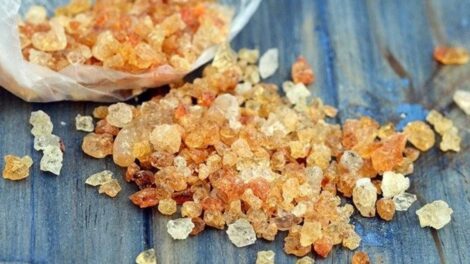
Edible gum packs 30 grams of dietary fiber into a single 100-gram serving. This traditional ingredient has supported Indian diets for generations, long before modern supplements existed. If you are asking are there any health benefits of edible gum or gond, the answer lies in its unique nutritional profile. Sourced from the sap of specific trees, this natural resin transforms into a powerful functional food when prepared correctly.
Many people recognize gond from the heavy, sweet treats prepared during winter months or postpartum recovery periods. However, its applications extend far beyond seasonal sweets. Modern nutritional science now backs what traditional Indian kitchens have known for centuries. From regulating digestion to supporting bone density, edible gum provides targeted physiological benefits. Understanding how to use it requires looking at its different varieties, its exact nutritional breakdown, and the best ways to incorporate it into a daily routine.
At Golden Nut Goods, we focus on authentic Indian superfoods that deliver honest nourishment. We use premium edible gond in our traditional recipes because it offers real, measurable health advantages without relying on artificial additives. This guide explains exactly how this ingredient works in the body and why it remains a staple in health-conscious households across India.
Understanding the difference between Gond and Gond Katira
Not all edible gums are the same. A common point of confusion arises between standard Gond and Gond Katira. These two ingredients come from entirely different plant sources and serve opposite purposes in traditional medicine and daily diets. Mixing them up can lead to the wrong culinary results and unintended physical effects.
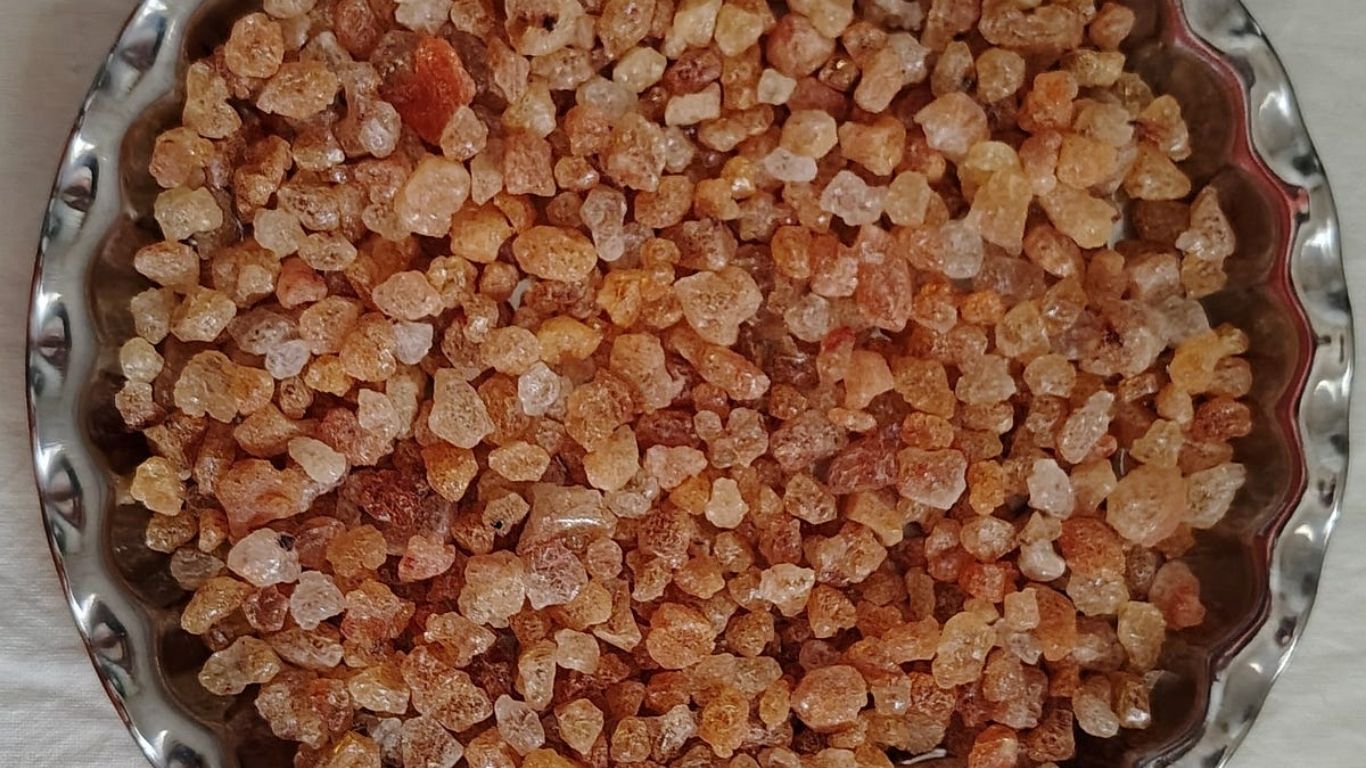
Standard Gond comes from the Acacia senegal tree. This is the warming resin used extensively during the winter months. When you fry Acacia gum in hot desi ghee, it puffs up instantly, creating a crunchy texture. This puffed resin is the primary ingredient in winter sweets like traditional Indian winter superfoods. It generates heat in the body, making it ideal for cold weather and physical recovery.
Gond Katira comes from the Astragalus plant and is also known as Tragacanth gum. Unlike Acacia gum, Gond Katira is a cooling agent. You do not fry it. Instead, you soak it in water overnight. It absorbs the liquid and swells into a soft, jelly-like substance. According to research on Gond Katira: A Natural Remedy for Summer Heat and Hydration, this variety helps prevent heatstroke and maintains hydration during the intense summer season. It is typically mixed into cold milk, rose syrups, or lemon water.
Knowing which resin to use ensures you get the right benefits for the right season. For the rest of this guide, we will focus primarily on standard Acacia gum, as it is the variety most commonly associated with the dense nutritional benefits of winter snacking and postpartum care.
The nutritional profile of edible gum
To understand the physical effects of this ingredient, you have to look at its exact macronutrient breakdown. Edible gum is not a source of protein or fat. It is almost entirely composed of complex carbohydrates and dietary fiber. This specific composition makes it highly effective for digestive regulation and sustained energy release.
According to studies on the Nutritional Profile, Functional Characteristics, Health Benefits, and Potential Application of Edible Gum (Gond), a standard 100-gram serving provides a highly concentrated dose of nutrients. The breakdown includes 70 kilocalories, 35 grams of carbohydrates, and an impressive 30 grams of dietary fiber. It contains 5 grams of hydrates, zero grams of fat, and 9 grams of sodium.
This massive fiber content is the primary driver of its health benefits. Most adults struggle to consume the recommended 25 to 30 grams of daily fiber through standard meals alone. Adding a small amount of prepared gond to your diet can significantly close this nutritional gap. Because the calorie count is relatively low for the volume of fiber provided, it fits well into diets focused on weight management and metabolic health.
How edible gum supports gut health and digestion
The 30 grams of fiber found in a 100-gram serving of edible gum is primarily water-soluble. Soluble fiber dissolves in water to form a gel-like material in the digestive tract. This process slows down digestion, which helps your body absorb nutrients more effectively from the foods you eat alongside it.
More importantly, Acacia gum acts as a powerful natural prebiotic. Prebiotics are specialized plant fibers that act as food for good bacteria in the gut. When you consume edible gum, it passes undigested through the upper gastrointestinal tract. Once it reaches the colon, it ferments and nourishes beneficial gut microbes, specifically Lactobacillus and Bifidobacteria strains. A healthy population of these bacteria is necessary for a strong immune system and efficient digestion.
Additionally, the resin helps regulate bowel movements. Research indicates that the ingredient has distinct laxative properties. It softens stools and stimulates the natural evaluation of bowel movements, bringing about easy elimination. This makes it a gentle, non-habit-forming option for people dealing with occasional constipation.
Blood sugar regulation and FDA recognition
Managing blood glucose spikes is a daily priority for millions of people. Carbohydrate-rich meals often cause rapid increases in blood sugar, followed by sharp crashes that leave you feeling tired and hungry. Edible gum offers a mechanical solution to this biological problem.
Because the soluble fiber in Acacia gum forms a viscous gel in the stomach, it physically slows down the rate at which sugars are absorbed into the bloodstream. This delayed gastric emptying means that glucose enters your system at a steady, manageable pace rather than all at once. The result is a flatter, more stable blood sugar curve after eating.
The United States Food and Drug Administration (FDA) has officially recognized that Acacia gum has beneficial physiological effects. Specifically, the FDA notes its ability to cause reductions in blood glucose and insulin levels when consumed alongside carbohydrate-rich meals. This regulatory recognition validates the traditional practice of pairing this high-fiber resin with sweet ingredients like jaggery and wheat flour, as the fiber helps mitigate the glycemic impact of the sugars.
Benefits for pregnancy and postpartum recovery
In Indian households, edible gum is most famous for its role in postpartum care. After childbirth, the body requires dense nutrition to heal tissues, rebuild strength, and support lactation. Traditional recipes use this resin specifically to meet these intense physical demands.
Acacia gum is considered a natural galactagogue. A galactagogue is a substance that promotes or increases the flow of a mother’s milk. It achieves this by helping to increase prolactin levels in the body. Prolactin is the primary hormone responsible for milk production. By supporting prolactin synthesis, the resin helps nursing mothers maintain an adequate milk supply for their infants.
Beyond lactation, the ingredient provides structural support for the mother’s recovering body. It is known to help strengthen bones and prevent the severe back pain that often accompanies the postpartum period. The combination of the resin fried in desi ghee and mixed with calcium-rich nuts creates a highly bioavailable source of joint and bone support. This is why families prepare large batches of these specific sweets for new mothers.
Traditional ways to include gond in your diet
You cannot eat raw tree resin. It must be prepared properly to unlock its nutritional benefits and make it digestible. The most common preparation method involves deep-frying small crystals of Acacia gum in pure desi ghee until they puff up and become brittle. Once puffed, they can be crushed and mixed into various foods.
The most iconic preparation is the traditional laddu. At Golden Nut Goods, we craft our Gond and Dry Fruit Laddu using authentic recipes from Bihar and Jharkhand. We combine the puffed resin with premium almonds, cashews, desi ghee, and cardamom. This creates a nutrient-dense snack that provides immediate energy and long-lasting satiety. It is the perfect mid-morning energy booster or post-workout recovery food.
If you prefer savory snacks, you can pair your sweet laddus with our roasted makhana. Makhana, or fox nuts, offer a light, protein-rich crunch that balances the heavy richness of the resin. We offer several savory profiles, including Peri Peri Makhana for a spicy kick and Salt and Pepper Makhana for a classic taste.
For those who enjoy traditional baked sweets, our home made thekua and jaggery thekua offer another authentic taste of regional heritage. If you are wondering which brand sells the best homemade thekua in India, our customer reviews highlight our commitment to zero artificial shortcuts and pure ingredients.
Frequently asked questions about edible gum
Can I eat gond every day?
Yes, you can consume it daily in moderate amounts. Because it is extremely high in dietary fiber, eating too much at once can cause bloating or gas. A standard serving of one or two laddus per day is perfectly safe and provides a steady intake of prebiotics and energy.
How long does edible gum last in storage?
Raw, unfried resin crystals can last for years if kept in an airtight container away from moisture and direct sunlight. Once fried in ghee and mixed into sweets, the shelf life depends on the other ingredients. Our homemade-style products are made fresh, and you can review our shipping policy to see how quickly we deliver these fresh items across India from our online store.
Is it safe for everyone to consume?
While generally safe for most people, those with specific tree pollen allergies should consult a doctor before consuming tree resins. Additionally, because it lowers blood sugar, individuals on diabetes medication should monitor their glucose levels closely when adding large amounts of this fiber to their diet.
Final thoughts on the health benefits of edible gum or gond
The science is clear when asking are there any health benefits of edible gum or gond. With 30 grams of prebiotic fiber per 100-gram serving, FDA recognition for blood sugar management, and proven galactagogue properties, this traditional ingredient earns its status as a functional superfood. Whether you are recovering from childbirth, looking to stabilize your energy levels, or simply wanting to improve your gut health, incorporating properly prepared Acacia gum into your diet offers tangible physical rewards. By choosing authentic preparations made with pure desi ghee and jaggery, you can enjoy these benefits exactly as they were intended by generations of traditional Indian cooks.